Selecting the appropriate trading platform is a pivotal decision for Forex traders, as it directly influences analysis efficiency and trade execution. This article offers a comprehensive comparison between TradingView and traditional trading platforms, highlighting their respective features, advantages, and potential drawbacks.
Overview of TradingView
TradingView is a web-based platform renowned for its advanced charting tools, real-time data, and vibrant social community. Since its inception in 2011, it has attracted millions of traders worldwide, offering a versatile environment for market analysis and idea sharing.
Overview of Traditional Trading Platforms
Traditional trading platforms, such as MetaTrader 4 (MT4) and MetaTrader 5 (MT5), have been industry standards for years. They provide robust tools for technical analysis, automated trading capabilities, and are widely supported by brokers globally.
Comparative Analysis
-
User Interface and Accessibility
-
TradingView: Features a modern, web-based interface accessible from any device with internet connectivity. Its intuitive design caters to both beginners and experienced traders, offering a seamless user experience.
-
Traditional Platforms: MT4 and MT5 are primarily desktop-based applications, requiring installation on specific devices. While offering robust functionalities, their interfaces may appear dated compared to TradingView, potentially leading to a steeper learning curve for newcomers.
-
-
Charting and Technical Analysis Tools
-
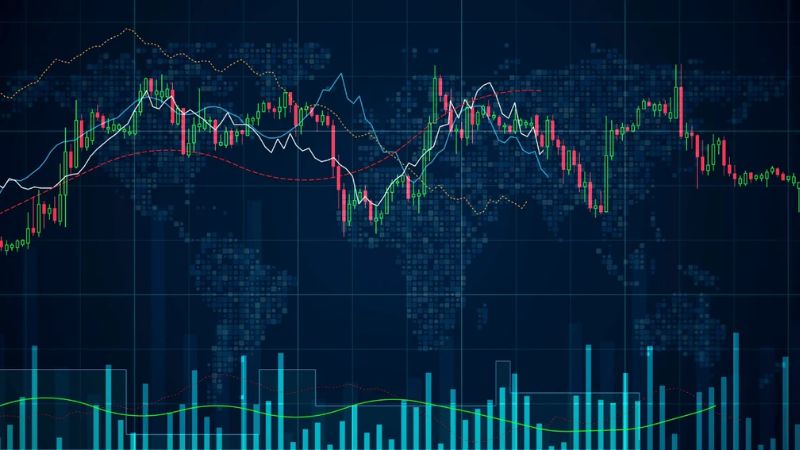
TradingView: Offers extensive charting capabilities with over 100 built-in indicators and numerous drawing tools. The platform supports multiple chart types and customizable timeframes, enabling detailed technical analysis.
-
Traditional Platforms: MT4 provides 30 built-in indicators, while MT5 offers 38. Both platforms support custom indicators and automated trading strategies through their proprietary scripting languages (MQL4 for MT4 and MQL5 for MT5). However, their charting interfaces are less customizable compared to TradingView.
-
-
Social and Community Features
-
TradingView: Boasts a vibrant social community where traders can share ideas, comment on analyses, and collaborate. This feature fosters learning and community engagement, which is particularly beneficial for beginners.
-
Traditional Platforms: Lack integrated social features. While external forums and communities exist, the absence of in-platform social interaction may limit immediate collaboration and idea sharing.
-
-
Automated Trading and Scripting
-
TradingView: Utilizes Pine Script, a proprietary scripting language, allowing users to create custom indicators and strategies. However, its automated trading capabilities are limited compared to traditional platforms.
-
Traditional Platforms: Excel in automated trading through Expert Advisors (EAs), enabling traders to automate strategies and perform backtesting. This feature is a significant advantage for those relying on algorithmic trading.
-
-
Broker Integration and Trade Execution
-
TradingView: Supports integration with select brokers, enabling trade execution directly from the platform. However, the availability of supported brokers may vary, potentially limiting choices for some traders.
-
Traditional Platforms: Widely adopted by numerous brokers, offering seamless integration and reliable trade execution. This extensive support provides traders with a broad selection of brokers to choose from.
-
-
Cost and Accessibility
-
TradingView: Offers a free version with basic features and several premium tiers with advanced functionalities. Its web-based nature ensures accessibility across devices without the need for installations.
-
Traditional Platforms: Generally free to use through brokers, but require software installation on compatible devices. While offering extensive features, their accessibility is limited compared to TradingView's web-based platform.
-
Integrating TradingView with Forex Trading on Phemex
While TradingView offers exceptional analysis tools, executing trades requires a reliable broker. Phemex, a leading trading platform, provides seamless integration with TradingView, offering a comprehensive trading experience.
Benefits of Using Phemex for Forex Trading
-
Zero Trading Fees: Phemex offers zero-fee trading for premium members, making it a cost-effective choice for active traders.
-
Advanced Trading Infrastructure: With high-speed trade execution and minimal latency, Phemex ensures that traders can capitalize on market opportunities without delay.
-
Comprehensive Asset Selection: Beyond Forex, Phemex provides access to a wide range of assets, including cryptocurrencies and commodities, allowing traders to diversify their portfolios.
How to Connect TradingView with Phemex?
-
Create Accounts: Ensure you have active accounts on both TradingView and Phemex.
-
Access Trading Panel: On TradingView, navigate to the trading panel at the bottom of the charting interface.
-
Select Phemex: From the list of available brokers, choose Phemex and follow the prompts to authorize the connection.
-
Start Trading: Once connected, you can execute trades directly from TradingView's interface, combining advanced analysis with efficient trade execution.
Conclusion
Both TradingView and traditional trading platforms like MT4 and MT5 offer unique features catering to different trading needs. TradingView excels in providing advanced charting tools, a user-friendly interface, and a vibrant social community, making it ideal for traders seeking comprehensive analysis and collaboration. Conversely, traditional platforms offer robust automated trading capabilities and extensive broker support, benefiting traders who prioritize algorithmic trading and direct trade execution.
By integrating TradingView's analytical prowess with Phemex's reliable trading infrastructure, Forex traders can enhance their trading experience, benefiting from seamless analysis and execution.
Embark on your Forex trading journey today by exploring the robust capabilities of Phemex, and experience a new dimension of trading excellence.