
German Exports and Industrial Production Slide as Tariffs Bite; EUR/USD Dips
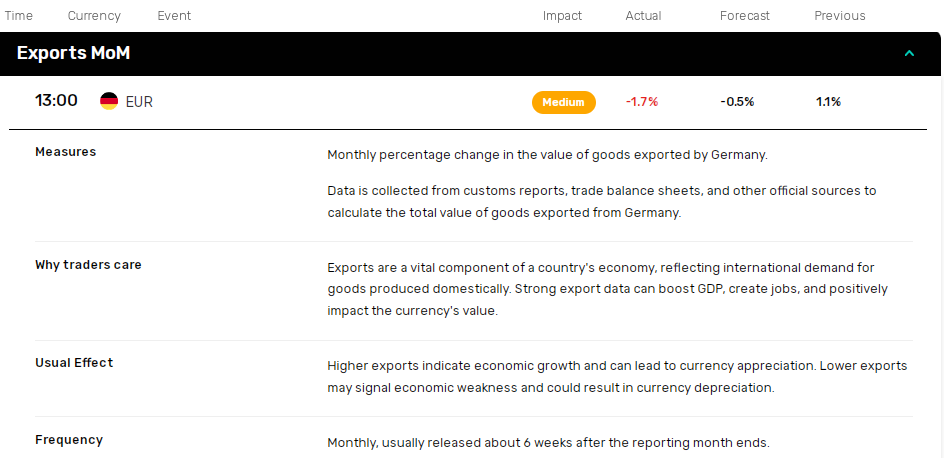
In April, Germany's economy faced a tough time as US tariffs resulted in a 1.7% decline in exports and a 1.4% fall in industrial production. This downturn was marked by an astonishing 10.5% drop in exports to the US, which shrank Germany’s trade surplus from €21.1 billion to €14.6 billion.
Key Points
- 1.7% drop in total German exports month-on-month.
- Industrial production fell 1.4% after a rise in March.
- Exports to the US decreased by 10.5%.
- Trade surplus narrowed significantly.
US Tariffs Hit German Industry: ECB Faces Fresh Pressure
The impact of tariffs on Germany's economic landscape has been severe. Exports fell notably as imports surged, highlighting a troubling shift in trade dynamics. The rise in imports by 3.9% amid declining exports suggests a crushed competitiveness for German goods abroad.
According to Destatis, exports to non-EU countries tumbled by 4.8% while imports rose by 3.4%. More worrying was the decline in the pharmaceutical sector, where production plummeted 17.7%, coupled with a 2.4% drop in machinery production.
EUR/USD Reaction to German Trade and Production Data
The EUR/USD pair demonstrated volatility, bouncing from a pre-stats high to a dip following the disappointing data release. Underlining market sensitivity, figures reflected trader sentiment regarding the ECB's monetary policy stance.
Frederik Ducrozet, Head of Macroeconomic Research at Pictet Wealth Management, commented on the potential ramifications of extended trade tensions: In a severe trade war scenario, GDP could see a 1% decrease, prompting further rate cuts from the ECB.
Looking Ahead
The ongoing US-EU trade negotiations will be critical. Positive developments on this front could alleviate concerns over external demand for Euro Area goods, possibly restoring strength to the EUR/USD pair.
Summary
The tightening grip of tariffs has clearly impacted Germany's economy, raising questions about future ECB actions. Traders and economists alike will be monitoring both external trade developments and internal economic indicators closely in the coming weeks.
Opinion & Analysis
Overall, the rise in domestic demand coupled with falling exports presents a convoluted picture for Germany. Expect the market to respond sensitively as more data emerges, influencing the future path of ECB policy.